

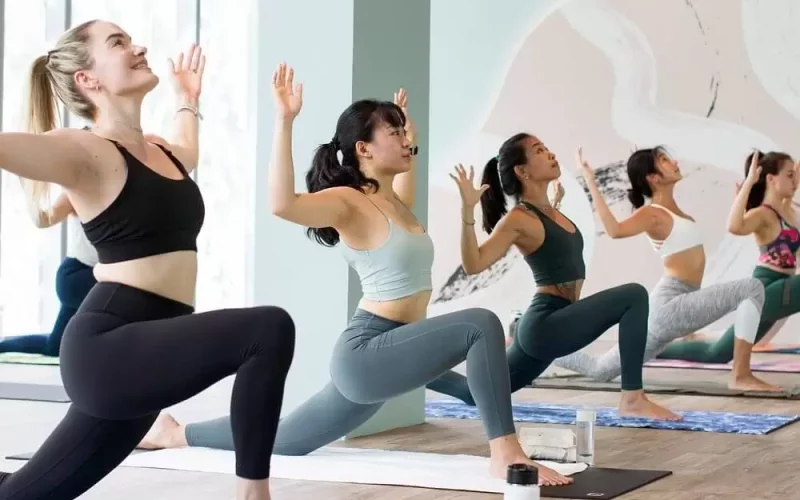
Pregnancy and motherhood are life-changing journeys filled with joy, challenges, and countless physical and emotional shifts. In Singapore, where modern lifestyles often involve busy routines and high stress, many mothers are turning to yoga classes Singapore for support throughout their prenatal and postnatal phases. Yoga provides a safe, gentle, and empowering way to prepare the body for childbirth and support recovery after delivery.
With increasing awareness about holistic maternal care, yoga is now widely recommended by doctors, physiotherapists, and doulas across Singapore. It’s no longer just about flexibility—it’s about strength, breath, connection, and emotional resilience during one of the most transformative periods of life.
Why Yoga During and After Pregnancy Matters
Yoga is particularly beneficial for women during pregnancy and postpartum recovery because it addresses the entire being—physical, mental, and emotional. Specialised classes for mothers are designed to accommodate physical limitations while boosting confidence and wellbeing.
Benefits During Pregnancy:
- Improves posture and reduces back pain
- Enhances pelvic floor strength
- Aids in relaxation and better sleep
- Boosts circulation and reduces swelling
- Builds stamina for labour and delivery
Benefits After Childbirth:
- Rebuilds core strength safely
- Eases tension from breastfeeding and carrying the baby
- Improves hormonal balance and emotional stability
- Encourages mindfulness and body awareness
- Promotes bonding with the baby (in baby & me classes)
Studios like Yoga Edition understand these needs and offer a nurturing environment for mothers to move at their own pace with supportive guidance.
What Makes Prenatal Yoga Classes Unique?
Prenatal yoga in Singapore is thoughtfully tailored to meet the changing needs of expectant mothers through all three trimesters. Unlike general yoga, prenatal sessions focus on safety, breath awareness, and preparation for labour.
Key Features of Prenatal Yoga:
- Modified postures that avoid strain on the abdomen or joints
- Emphasis on breathwork to assist during contractions and delivery
- Strengthening of the hips, back, and pelvis to support the changing body
- Focus on mental calmness to ease fears and emotional stress
- Safe stretching techniques to reduce aches and stiffness
Classes are generally taught by certified prenatal yoga instructors who understand pregnancy anatomy and are trained to respond to different stages and symptoms.
Who Can Join Prenatal Yoga?
- First-time mothers
- Experienced mums with different pregnancy experiences
- Women dealing with prenatal anxiety, insomnia, or fatigue
- Anyone looking to connect with their body and baby in a gentle, mindful way
Postnatal Yoga: A Vital Step in Recovery
After delivery, a mother’s body needs time, care, and support to heal. Postnatal yoga focuses on rebuilding core strength, pelvic health, and emotional wellbeing.
Most postnatal classes are suitable for women 6–8 weeks after a natural birth (or later for C-sections, with doctor’s approval). These classes are gentle, low-impact, and highly effective.
Benefits of Postnatal Yoga in Singapore:
- Strengthens abdominal muscles and pelvic floor
- Improves posture (especially important for breastfeeding mothers)
- Relieves neck, shoulder, and wrist tension
- Supports hormonal recovery and mood balance
- Encourages mothers to take time for self-care without guilt
Some studios also offer “Mummy & Baby” yoga classes, which involve safe, playful movements that strengthen the bond between mother and child while improving physical wellbeing for both.
What to Expect in a Mother-Focused Yoga Class
Prenatal Classes:
- Calming environment with props like bolsters, blocks, and blankets
- A mix of breathwork, gentle movement, and deep relaxation
- Teacher check-ins to monitor energy levels and provide options
- No inversion or twisting poses that might compress the abdomen
- Focus on posture, breath, and pelvic awareness
Postnatal Classes:
- Gradual strengthening of deep core muscles
- Breathwork to connect mind and body
- Baby-inclusive poses if attending a mother-baby class
- Techniques for stress management and better sleep
- Open conversations that support emotional healing
Tips for Choosing the Right Class in Singapore
Singapore has a growing network of maternal wellness studios and yoga instructors specialising in prenatal and postnatal care. Here’s what to look for:
- Certified instructors with prenatal/postnatal experience
- Small class sizes for individual attention
- Availability of props and modifications
- Convenient class timing to suit your trimester or recovery phase
- Proximity to home or availability of virtual options
Some studios even partner with doulas or physiotherapists to provide an integrated wellness experience for mothers.
How to Prepare for Your First Class
If you’re new to yoga or this is your first pregnancy, stepping into a class might feel intimidating. Here are tips to get started:
- Check with your gynaecologist before joining any class
- Arrive early to speak with the instructor about your pregnancy stage or birth experience
- Dress comfortably in breathable, stretchable clothing
- Bring water, a towel, and your own mat if preferred
- Listen to your body and never push through discomfort
Pregnancy and postpartum are not the times to push your limits—they are times to slow down, tune in, and nourish your body with intention.
Real-Life FAQ
Q: I’ve never done yoga before. Can I still join a prenatal or postnatal class?
A: Yes. These classes are beginner-friendly and designed for all levels. Instructors provide clear guidance and modifications to ensure safety and comfort.
Q: When is it safe to start prenatal yoga in Singapore?
A: Most mothers start between weeks 12–14 of pregnancy, once the first trimester is completed. However, always consult your doctor before starting any new physical activity.
Q: What should I avoid during prenatal yoga?
A: Avoid lying flat on your back for extended periods after the second trimester, deep twists, and any pose that causes discomfort or breathlessness. Trained instructors will guide you through safe movements.
Q: Can I attend yoga after a C-section?
A: Yes, but only after getting medical clearance, usually after 8–10 weeks. Postnatal yoga can help rebuild strength gently without stressing the healing area.
Q: Can I bring my baby to postnatal yoga classes?
A: Some studios in Singapore offer baby-friendly yoga classes where babies are included in the practice. These are wonderful for bonding and social interaction.
