

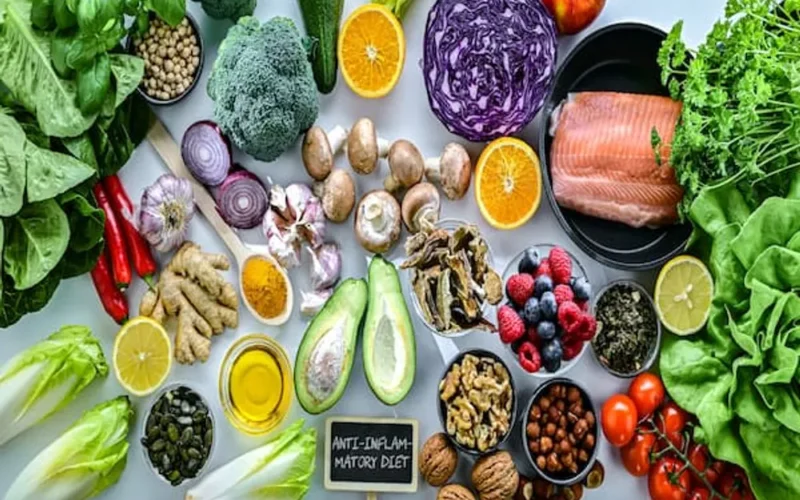
Inflammation is a natural biological response that helps the body protect itself from injury and infection. However, when inflammation becomes chronic, it can contribute to long-term health concerns such as cardiovascular disease, metabolic disorders, joint discomfort, digestive challenges, and reduced immune resilience. Nutrition plays a central role in regulating inflammatory processes throughout the body.
Anti inflammatory diet patterns focus on whole foods that support balanced immune activity, protect cellular function, and promote metabolic stability. Rather than relying on short-term dietary restrictions, these eating patterns emphasize sustainable habits that support wellness across the lifespan. When practiced consistently, they contribute to improved energy levels, stronger immunity, and better long-term health outcomes.
Understanding the Role of Inflammation in the Body
Inflammation is not inherently harmful. It is an essential defense mechanism that helps the body repair tissue damage and respond to infection. Problems arise when inflammatory responses remain active for extended periods without resolution.
Chronic inflammation may develop due to factors such as:
- Poor dietary quality
- Sedentary lifestyle habits
- Excess stress exposure
- Environmental toxins
- Inadequate sleep patterns
- Long-term metabolic imbalance
Nutrition influences many of these factors directly. A structured anti inflammatory diet pattern helps regulate immune responses and supports recovery at the cellular level.
What Defines an Anti Inflammatory Diet Pattern
An anti inflammatory diet is not a single rigid plan. Instead, it is a flexible framework centered around nutrient-dense foods that help reduce oxidative stress and support immune balance.
Key characteristics include:
- Emphasis on whole and minimally processed foods
- High intake of plant-based nutrients
- Balanced healthy fat consumption
- Moderate protein intake from quality sources
- Reduced intake of refined sugars and ultra processed foods
These patterns align closely with traditional eating approaches that have supported long-term population health across multiple regions.
Importance of Whole Plant Foods in Reducing Inflammation
Plant foods provide fiber, antioxidants, vitamins, and phytonutrients that influence inflammatory signaling pathways in the body. These compounds help neutralize oxidative stress and protect tissues from long-term damage.
Important plant-based anti inflammatory foods include:
- Leafy greens such as spinach and kale
- Berries including blueberries and strawberries
- Cruciferous vegetables such as broccoli and cauliflower
- Tomatoes and colorful peppers
- Herbs and spices like turmeric and ginger
Regular intake of these foods supports digestive health and immune regulation.
Healthy Fats Supporting Immune Balance
Fat quality matters more than total fat intake when managing inflammation through nutrition. Certain fats support cellular membrane stability and hormone signaling that influence immune activity.
Beneficial fat sources include:
- Olive oil
- Avocados
- Nuts such as almonds and walnuts
- Seeds including flaxseed and chia seeds
- Fatty fish like salmon and sardines
These foods provide omega 3 fatty acids and monounsaturated fats that support cardiovascular and metabolic wellness.
Role of Omega 3 Fatty Acids in Long Term Health
Omega 3 fatty acids help regulate inflammatory pathways and support brain, heart, and joint health. Many people consume insufficient amounts of these essential nutrients.
Common omega 3 rich foods include:
- Salmon
- Mackerel
- Sardines
- Walnuts
- Flaxseed
- Chia seeds
Regular inclusion of these foods contributes to balanced immune signaling and improved long-term wellness.
Whole Grains Supporting Metabolic Stability
Whole grains provide fiber and essential nutrients that help regulate blood sugar levels and support digestive health. Stable blood glucose levels reduce inflammatory stress on the body.
Examples of supportive whole grains include:
- Oats
- Quinoa
- Brown rice
- Barley
- Whole wheat products
Choosing whole grains instead of refined carbohydrates improves nutrient intake and supports sustained energy levels.
Importance of Fiber in Inflammation Regulation
Dietary fiber supports the health of beneficial gut bacteria, which influence immune system behavior. A balanced gut microbiome helps regulate inflammatory responses throughout the body.
High fiber foods include:
- Legumes such as lentils and chickpeas
- Vegetables and fruits
- Whole grains
- Nuts and seeds
Consistent fiber intake contributes to improved digestion and metabolic stability.
Lean Protein Sources That Support Tissue Repair
Protein supports immune function, muscle maintenance, and tissue repair. Choosing appropriate protein sources helps reduce inflammatory burden while supporting physical strength.
Recommended protein choices include:
- Fish and seafood
- Skinless poultry
- Beans and lentils
- Tofu and plant-based protein options
- Eggs in moderate amounts
Balanced protein intake supports recovery processes without increasing metabolic strain.
Herbs and Spices With Natural Anti Inflammatory Properties
Herbs and spices contain bioactive compounds that influence inflammatory signaling pathways. Including them regularly enhances both flavor and nutritional value.
Common anti inflammatory herbs and spices include:
- Turmeric
- Ginger
- Garlic
- Cinnamon
- Rosemary
These ingredients support digestion and antioxidant protection.
Limiting Ultra Processed Foods to Reduce Inflammatory Stress
Highly processed foods often contain refined sugars, unhealthy fats, and artificial additives that contribute to inflammatory activity in the body.
Foods to limit include:
- Sugary beverages
- Refined snack foods
- Processed meats
- Excessive fast food intake
- Packaged desserts with added sugars
Reducing these foods helps stabilize metabolic function and energy levels.
Hydration as a Foundation of Anti Inflammatory Nutrition
Adequate hydration supports circulation, nutrient transport, and detoxification processes. Water plays a critical role in maintaining cellular health.
Healthy hydration strategies include:
- Drinking water regularly throughout the day
- Including herbal teas
- Consuming water-rich fruits and vegetables
- Limiting excessive sugary drinks
Hydration supports overall physiological balance.
Mediterranean Style Eating Patterns Supporting Long Term Wellness
Mediterranean style dietary patterns are widely recognized for supporting reduced inflammation and improved cardiovascular health. These eating approaches emphasize natural foods and balanced nutrient intake.
Key features include:
- High intake of vegetables and fruits
- Frequent use of olive oil
- Regular consumption of fish
- Moderate intake of whole grains
- Limited intake of processed foods
This pattern supports sustainable long-term health outcomes.
Gut Health and Its Connection to Inflammation
The digestive system plays a central role in regulating immune activity. A balanced gut microbiome supports proper inflammatory signaling and protects against metabolic stress.
Foods that support gut health include:
- Yogurt with live cultures
- Fermented vegetables
- Kefir
- Fiber rich plant foods
- Legumes and whole grains
Maintaining digestive balance supports immune resilience.
Lifestyle Factors That Strengthen Anti Inflammatory Diet Benefits
Diet works best when combined with supportive lifestyle habits. These factors influence how effectively the body regulates inflammation.
Important complementary habits include:
- Regular physical activity
- Consistent sleep patterns
- Stress management strategies
- Time spent outdoors
- Maintaining healthy body weight
Together, these habits reinforce the benefits of nutritional improvements.
Long Term Consistency Matters More Than Short Term Restriction
Sustainable dietary habits produce better results than temporary dietary changes. Anti inflammatory nutrition is most effective when integrated into daily routines over time.
Long term consistency supports:
- Stable energy levels
- Improved immune balance
- Cardiovascular wellness
- Digestive efficiency
- Healthy aging processes
Building gradual habits leads to lasting improvements.
Practical Strategies for Building Anti Inflammatory Eating Habits
Simple daily adjustments can make anti inflammatory nutrition easier to maintain.
Helpful strategies include:
- Preparing meals with fresh ingredients
- Planning balanced weekly menus
- Including vegetables in every meal
- Choosing whole foods over packaged snacks
- Cooking with herbs and spices regularly
Small consistent changes create meaningful health benefits over time.
Frequently Asked Questions
1. How long does it take to notice benefits from an anti inflammatory diet pattern
Some individuals notice improvements in energy and digestion within a few weeks, while deeper metabolic benefits typically develop over several months of consistent habits.
2. Can anti inflammatory diets support mental clarity and focus
Yes. Balanced nutrition supports brain function by stabilizing blood sugar levels and reducing oxidative stress that may affect cognitive performance.
3. Are plant based anti inflammatory diets suitable for athletes
Yes. When properly planned with adequate protein and nutrient intake, plant based approaches can support recovery, endurance, and performance.
4. Do seasonal foods play a role in anti inflammatory eating patterns
Seasonal foods often provide fresher nutrient content and greater variety, which supports balanced antioxidant intake throughout the year.
5. Is cooking method important when following an anti inflammatory diet
Yes. Baking, steaming, grilling, and sautéing with healthy oils help preserve nutrients better than deep frying.
6. Can anti inflammatory diet patterns support healthy aging
Yes. Long term nutrient balance helps maintain cardiovascular health, joint comfort, and metabolic stability as individuals age.
7. Are anti inflammatory diet patterns expensive to maintain
Not necessarily. Many affordable foods such as beans, oats, seasonal vegetables, and whole grains provide strong anti inflammatory benefits when included regularly.
