

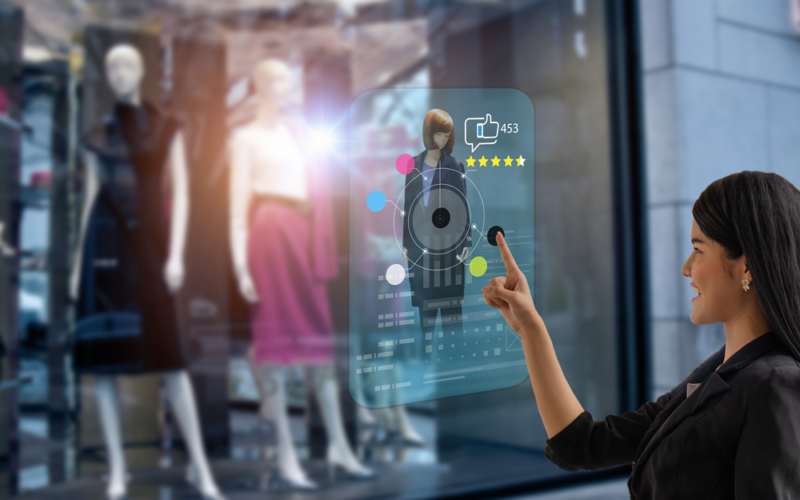
Shopping has changed more in the past two decades than in the previous century. Digital platforms, mobile connectivity, artificial intelligence, and advanced logistics systems have transformed how people discover products, compare prices, and complete purchases. The future of shopping is no longer limited to physical stores or traditional ecommerce websites. Instead, it is becoming an interconnected experience shaped by personalization, automation, immersive technology, and real time data.
Consumers today expect speed, convenience, transparency, and flexibility. Businesses that understand these expectations are building shopping environments that blend digital efficiency with human-centered design. The next phase of retail evolution will continue redefining how people interact with brands, products, and marketplaces.
The Shift From Traditional Retail to Digital Ecosystems
Retail once depended heavily on physical store visits and in-person transactions. While physical stores still play an important role, digital platforms now influence nearly every stage of the purchasing journey.
Modern shopping ecosystems include:
- Mobile applications
- Online marketplaces
- Social commerce platforms
- Voice activated assistants
- Subscription-based services
- Hybrid in-store digital experiences
These channels create a connected environment where customers move seamlessly between devices and platforms.
Personalization as the Core of Future Shopping Experiences
Personalization is becoming one of the strongest drivers of customer engagement. Digital systems analyze browsing behavior, purchase history, and preferences to deliver tailored product suggestions.
Personalized shopping experiences often include:
- Customized product recommendations
- Dynamic homepage layouts
- Targeted promotional offers
- Personalized search results
- Context-aware notifications
When customers receive relevant suggestions instead of generic messaging, they are more likely to remain engaged and satisfied.
Artificial Intelligence Transforming Retail Decision Making
Artificial intelligence plays a central role in shaping modern retail operations. It improves forecasting accuracy, inventory management, customer interaction systems, and recommendation engines.
AI supports the future of shopping by enabling:
- Predictive demand forecasting
- Automated customer service assistants
- Intelligent product categorization
- Real time pricing adjustments
- Fraud detection systems
Retailers using AI effectively can respond faster to market changes and customer expectations.
Mobile Commerce Becoming the Primary Shopping Channel
Mobile devices now represent one of the most influential tools in digital retail. Consumers increasingly browse, compare, and purchase products directly from smartphones.
Mobile commerce advantages include:
- Convenience across locations
- Faster checkout experiences
- Integrated payment systems
- Personalized notifications
- Easy product comparison features
Retail platforms that prioritize mobile optimization often experience stronger customer engagement.
Omnichannel Retail Connecting Physical and Digital Spaces
The future of shopping does not eliminate physical stores. Instead, it integrates them into broader digital ecosystems through omnichannel strategies.
Omnichannel shopping allows customers to:
- Order online and pick up in store
- Return digital purchases at physical locations
- Check inventory availability in real time
- Access consistent pricing across channels
- Receive unified loyalty rewards
This integration improves flexibility and strengthens brand relationships.
Augmented Reality Enhancing Product Visualization
Augmented reality is reshaping how customers evaluate products before purchase. Instead of relying only on images or descriptions, shoppers can visualize items in realistic settings.
Examples of augmented reality applications include:
- Virtual furniture placement inside homes
- Try-on simulations for clothing and accessories
- Product size comparison tools
- Interactive packaging previews
These features reduce uncertainty and improve purchase confidence.
Voice Commerce Expanding Hands Free Shopping
Voice enabled shopping is gaining momentum as smart assistants become more common in households. Customers can search for products, reorder frequently purchased items, and track deliveries through voice commands.
Voice commerce advantages include:
- Faster product searches
- Accessibility for diverse users
- Efficient repeat ordering
- Integration with home automation systems
As voice recognition improves, this channel will continue expanding.
Data Driven Insights Supporting Smarter Retail Strategies
Retailers rely increasingly on data analytics to understand customer behavior and anticipate future trends. Data driven insights improve decision making across product selection, pricing strategies, and marketing campaigns.
Key analytics applications include:
- Customer segmentation analysis
- Demand forecasting models
- Inventory optimization systems
- Promotion performance evaluation
- Behavioral trend monitoring
Better insights allow businesses to deliver more relevant experiences.
Subscription Based Shopping Models Increasing Convenience
Subscription services are reshaping how consumers access everyday products. Instead of repeating purchases manually, customers can schedule deliveries automatically.
Subscription benefits include:
- Predictable delivery schedules
- Reduced decision fatigue
- Cost efficiency through bundled pricing
- Consistent product availability
- Long term customer relationships
This model continues expanding beyond traditional categories such as media and groceries.
Social Commerce Influencing Consumer Decisions
Social platforms are becoming important retail environments where discovery and purchasing occur within the same interface. Customers increasingly interact with brands through community driven recommendations.
Social commerce features include:
- Influencer product demonstrations
- Live shopping events
- Interactive customer reviews
- Integrated checkout tools
- Community based brand engagement
These experiences blend entertainment and purchasing behavior.
Faster Logistics Systems Reshaping Delivery Expectations
Delivery speed plays a major role in customer satisfaction. Logistics innovation is enabling shorter fulfillment times and improved tracking transparency.
Emerging logistics improvements include:
- Same day delivery networks
- Automated warehouse systems
- Route optimization technology
- Real time shipment tracking
- Local fulfillment centers
Faster delivery enhances convenience and supports customer loyalty.
Cashless Payment Systems Simplifying Transactions
Digital payment systems continue replacing traditional transaction methods. Customers increasingly expect secure and flexible payment options across platforms.
Common digital payment developments include:
- Mobile wallet integration
- Biometric authentication systems
- Contactless checkout technology
- Digital installment payment solutions
- Cross platform payment synchronization
Simplified payment processes improve purchasing efficiency.
Ethical and Sustainable Shopping Influencing Consumer Choices
Modern consumers are paying closer attention to environmental and ethical considerations. Retailers are responding by improving transparency and sustainability practices.
Sustainability focused initiatives include:
- Responsible sourcing disclosures
- Reduced packaging materials
- Circular product design strategies
- Transparent supply chain reporting
- Energy efficient logistics operations
Sustainable practices support long term brand credibility.
Smart Stores and Automated Retail Environments
Physical stores are evolving through automation technologies that improve efficiency and customer convenience. Smart retail environments combine sensors, data systems, and mobile connectivity.
Smart store features include:
- Automated checkout systems
- Digital shelf labeling
- Real time inventory monitoring
- Personalized in store recommendations
- Contactless entry technology
These innovations enhance the in store experience without removing human interaction entirely.
Global Marketplaces Expanding Consumer Access
Digital commerce platforms enable customers to access products from international sellers more easily than ever before. This global connectivity increases product variety and price transparency.
Benefits of global marketplace access include:
- Expanded product selection
- Competitive pricing visibility
- Cross border brand discovery
- Flexible shipping options
- Access to niche specialty products
Global retail connectivity strengthens competition and innovation.
Cybersecurity Becoming Central to Digital Retail Trust
As shopping becomes more digital, protecting customer data becomes increasingly important. Security systems support safe transactions and protect user confidence.
Retail cybersecurity priorities include:
- Secure payment encryption
- Identity verification tools
- Fraud detection monitoring
- Data protection compliance systems
- Transparent privacy policies
Strong security practices support long term customer trust.
Human Centered Design Remaining Essential in Digital Retail
Technology improves efficiency, but successful shopping experiences still depend on understanding human behavior. Retailers that balance automation with usability create stronger engagement.
Human centered digital retail design includes:
- Clear navigation structures
- Accessible interface layouts
- Transparent pricing information
- Responsive customer support channels
- Inclusive accessibility features
These elements ensure technology enhances rather than complicates shopping.
The Role of Predictive Retail in Future Shopping Experiences
Predictive retail systems analyze behavioral patterns to anticipate future customer needs. These insights allow retailers to prepare inventory and suggest products before customers actively search.
Predictive capabilities support:
- Demand anticipation
- Personalized promotions
- Supply chain efficiency
- Seasonal planning accuracy
- Inventory availability optimization
Predictive systems help businesses remain responsive to evolving expectations.
Frequently Asked Questions
1. How will digital shopping affect small local retailers
Digital tools allow smaller retailers to reach wider audiences through online platforms, improving competitiveness despite limited physical presence.
2. Will physical stores disappear completely in the future
Physical stores are expected to remain important but will increasingly function as experience centers integrated with digital services.
3. How does digital shopping influence consumer decision speed
Digital comparison tools and instant access to reviews allow customers to evaluate options more quickly than traditional in store browsing.
4. What role will automation play in warehouse operations
Automation improves inventory accuracy, reduces processing time, and supports faster delivery performance across ecommerce systems.
5. Can digital retail improve accessibility for older adults
Yes. Voice assistants, simplified interfaces, and home delivery services make shopping more convenient for individuals with mobility limitations.
6. How will personalization evolve in future retail platforms
Future personalization systems will rely more heavily on predictive analytics that anticipate needs rather than responding only to past purchases.
7. What industries are expected to change the most because of digital shopping growth
Fashion, electronics, grocery services, and home furnishings are among the sectors experiencing the most rapid transformation through digital retail innovation.
